Wastewater Treatment
The Budd Inlet Treatment Plant has been providing high-level wastewater treatment for over three decades. It is one of the only plants along Puget Sound to remove nutrients (nitrogen) as part of the treatment process.

The Budd Inlet Treatment Plant has been providing high-level wastewater treatment for over three decades. It is one of the only plants along Puget Sound to remove nutrients (nitrogen) as part of the treatment process.
Wastewater contains many pollutants and must be cleaned before the water is released back to the environment. The Budd Inlet Treatment Plant provides advanced secondary treatment that includes nutrient removal to help protect water quality in Budd Inlet, where the treated water is discharged. Through the treatment process, LOTT also produces renewable resources for beneficial reuse, including reclaimed water.
Wastewater treatment and reclaimed water production are highly regulated to ensure protection of public health and the environment. LOTT strives to operate its facilities in full compliance with regulatory permits, and has an excellent track record of permit compliance. More often than not, the water is treated to a higher quality than required by permit.
At the Budd Inlet Treatment Plant, both physical and biological processes are used to clean wastewater as it moves through a series of cleaning stages.
For more information about these processes, view the Budd Inlet Treatment Plant Guide (PDF)

First, a mechanical screening process removes large materials such as sticks, rocks, rags, wipes, toys, trash and other debris.

Solid material gets removed from the wastewater as it floats to the surface or sinks to the bottom of large tanks. “Floaters and sinkers” are removed and processed in solids handling.

Bacteria naturally present in the wastewater consume and break down additional pollutants. The biological process is carefully managed to remove nitrogen from the wastewater. This helps to protect water quality in Budd Inlet.

The water rests in these basins so that bacteria and other suspended solids will clump together and settle out of the water. The bacteria are collected and some are sent back into the treatment process to be reused.

The final treatment step is disinfection with ultraviolet light, which makes any remaining pathogens sterile.

The cleaned water is discharged into Budd Inlet through an outfall off the north end of the Port peninsula.
As part of its commitment to environmental stewardship, LOTT captures and reuses renewable resources from the wastewater treatment process. Through resource recovery, LOTT is able to reduce its carbon footprint and help our community partners meet their resource needs.
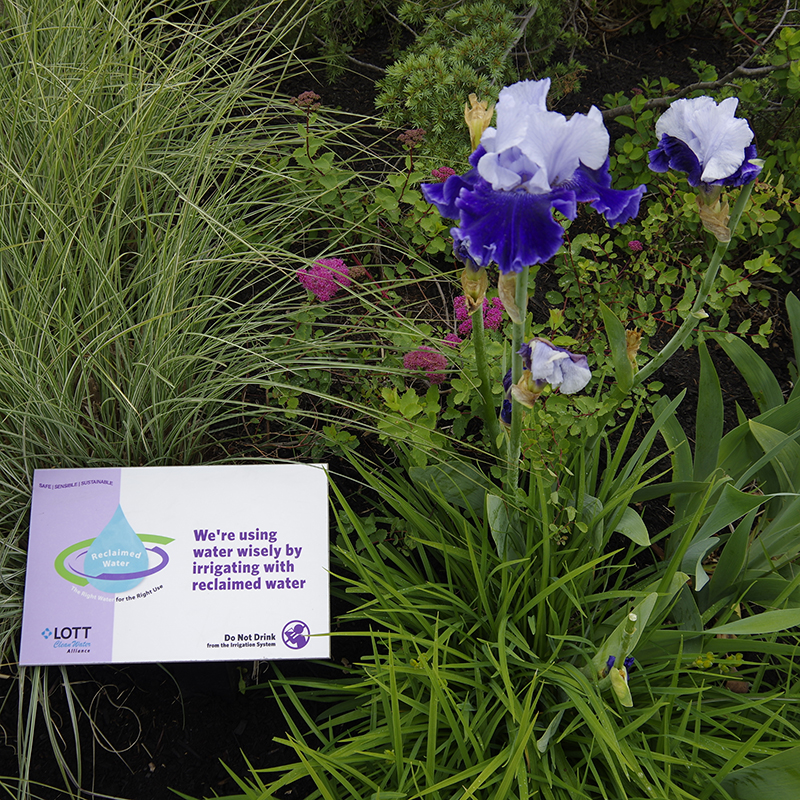
Reclaimed water is used water that is treated and cleaned so it can be reused safely. All water is recycled in nature. LOTT’s reclaimed water facilities mimic nature’s processes to filter and clean used water to produce Class A reclaimed water – the highest quality of reclaimed water designated by Washington State’s Departments of Health and Ecology. Class A reclaimed water can be used for almost all uses, except drinking.
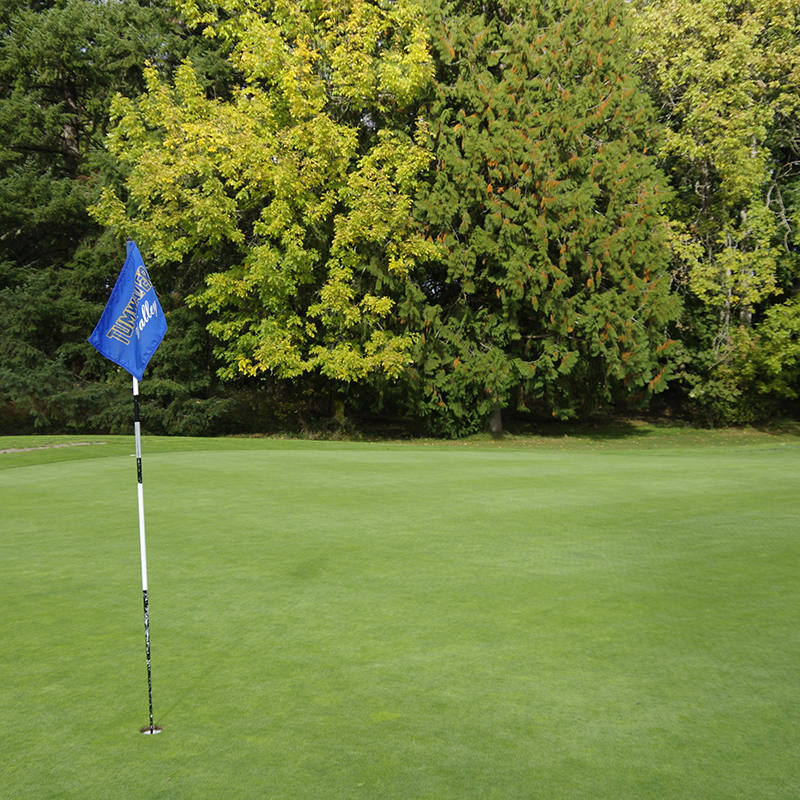
Our communities stretch their water supplies by using reclaimed water for irrigation of golf courses, parks and landscaping, commercial and industrial processes, dust suppression, decorative fountains and ponds, streamflow and wetland enhancement and groundwater recharge. Reclaimed water from the Martin Way Reclaimed Water Plant in Lacey is used for groundwater replenishment at LOTT’s Hawks Prairie Recharge Basins and the Woodland Creek Groundwater Recharge Facility, owned and operated by the cities of Lacey and Olympia.
LOTT’s long-range plan includes expansion of reclaimed water production. This production will likely occur at LOTT’s two existing reclaimed water plants. The timing for expansion may be driven by the need for more wastewater treatment capacity, changes to LOTT’s discharge permit requirements or demand for reclaimed water as a beneficial resource. Additional reclaimed water supplies could be used for a variety of purposes, including water rights mitigation, stream flow or wetland enhancement, groundwater replenishment and irrigation.
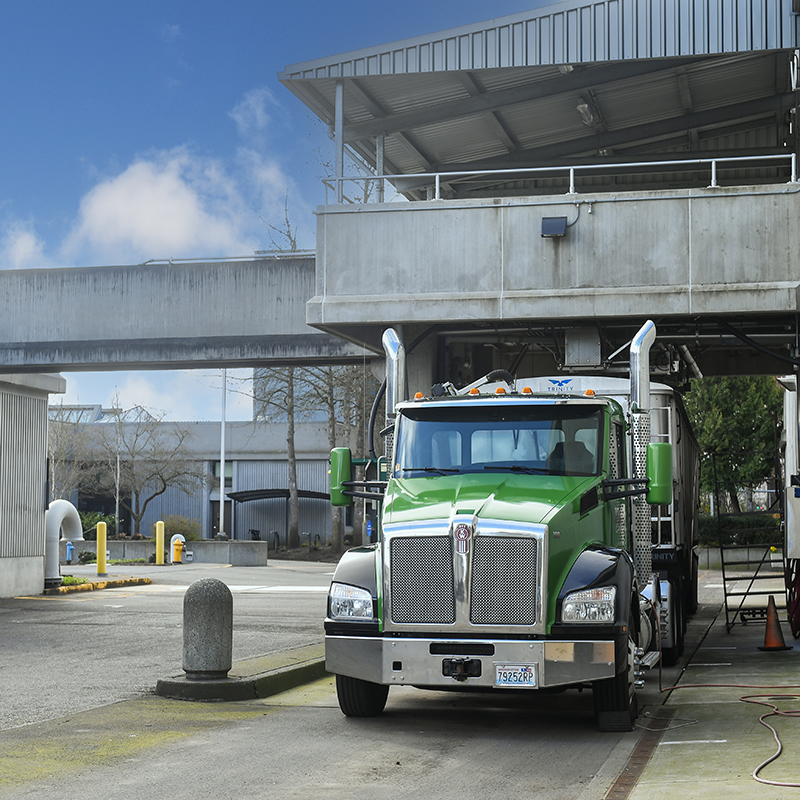
Solids from wastewater are collected and pumped into digesters where they are heated and kept in treatment for about 30 days to break down pollutants and pathogens. The treated solids are then dewatered in a centrifuge. The resulting Class B biosolids are hauled offsite and reused as soil amendment on dryland wheat fields in eastern Washington. This helps farmers increase their crop yields while decreasing their reliance on fossil fuel-based fertilizers.
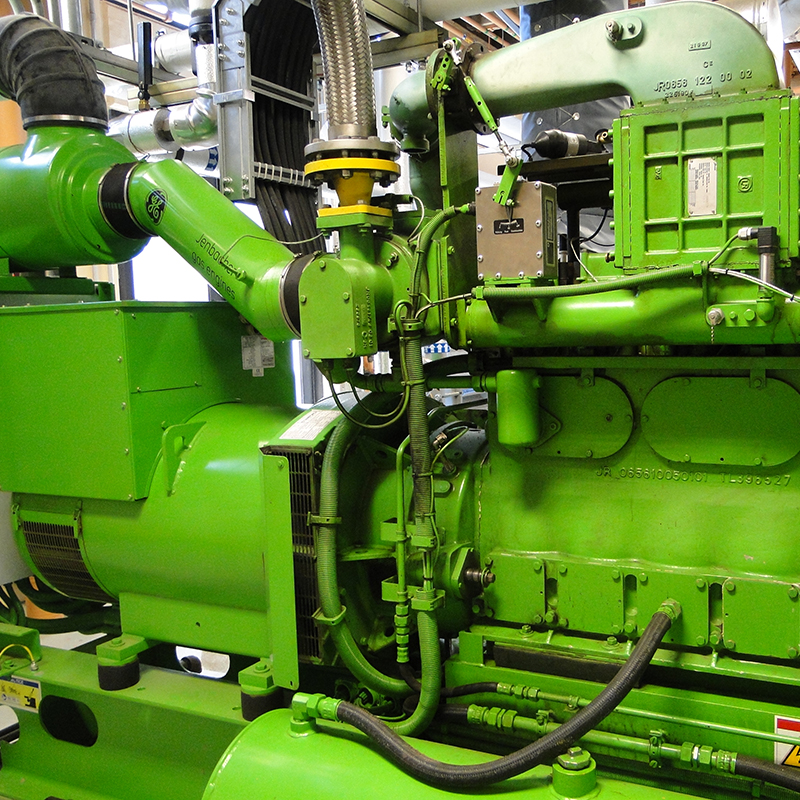
Solids collected during the treatment process are sent to digesters where bacteria convert nearly half the solid matter into methane and other biogas. The gas is used in LOTT’s cogeneration system to produce both heat energy and electricity. The system produces enough electricity to serve the needs of LOTT’s Regional Services Center, saving around $150,000 in electric costs per year. Heat from the system serves the Regional Services Center, buildings and processes within the treatment plant, and the neighboring Hands On Children’s Museum.
Reclaimed water is used water that is treated and cleaned so it can be reused safely. All water is recycled in nature. LOTT’s reclaimed water facilities mimic nature’s processes to filter and clean used water to produce Class A reclaimed water – the highest quality of reclaimed water designated by Washington State’s Departments of Health and Ecology. Class A reclaimed water can be used for almost all uses, except drinking.
Our communities stretch their water supplies by using reclaimed water for irrigation of golf courses, parks and landscaping, commercial and industrial processes, dust suppression, decorative fountains and ponds, streamflow and wetland enhancement and groundwater recharge. Reclaimed water from the Martin Way Reclaimed Water Plant in Lacey is used for groundwater replenishment at LOTT’s Hawks Prairie Recharge Basins and the Woodland Creek Groundwater Recharge Facility, owned and operated by the cities of Lacey and Olympia.
LOTT’s long-range plan includes expansion of reclaimed water production. This production will likely occur at LOTT’s two existing reclaimed water plants. The timing for expansion may be driven by the need for more wastewater treatment capacity, changes to LOTT’s discharge permit requirements or demand for reclaimed water as a beneficial resource. Additional reclaimed water supplies could be used for a variety of purposes, including water rights mitigation, stream flow or wetland enhancement, groundwater replenishment and irrigation.
Solids from wastewater are collected and pumped into digesters where they are heated and kept in treatment for about 30 days to break down pollutants and pathogens. The treated solids are then dewatered in a centrifuge. The resulting Class B biosolids are hauled offsite and reused as soil amendment on dryland wheat fields in eastern Washington. This helps farmers increase their crop yields while decreasing their reliance on fossil fuel-based fertilizers.
Solids collected during the treatment process are sent to digesters where bacteria convert nearly half the solid matter into methane and other biogas. The gas is used in LOTT’s cogeneration system to produce both heat energy and electricity. The system produces enough electricity to serve the needs of LOTT’s Regional Services Center, saving around $150,000 in electric costs per year. Heat from the system serves the Regional Services Center, buildings and processes within the treatment plant, and the neighboring Hands On Children’s Museum.
The Budd Inlet Treatment Plant represents the largest investment in regional infrastructure in our local communities. To protect this community investment, work is continually underway to plan for and implement projects to sustain and improve the facility. In 2006, LOTT developed a plan to identify necessary capital improvements at the plant. Those projects are now complete, including three major upgrades: the Primary Sedimentation Basins project in 2012, the UV Disinfection System upgrade in 2015 and the Biological Process Improvements project in 2023. The next generation of upgrades and expansions has been identified in the 2050 LOTT System Plan. These future capital projects will sustain the plant well into the future.
The Budd Inlet Treatment Plant is regulated under a National Pollutant Discharge Elimination System (NPDES) Permit, issued by the Washington State Department of Ecology, under the authority of the U.S. Environmental Protection Agency. Permits are generally issued for a period of five years. The Budd Inlet Treatment Plant permit includes strict nutrient removal requirements and reclaimed water requirements. It also places limits on Combined Sewer Overflows (CSOs) – discharges of untreated wastewater to Budd Inlet. LOTT has had only two CSOs since 1991, and both were due to severe rainstorms. Spills that occur due to blockages in the partner cities’ sewer collection systems must also be reported under the permit, although these spills are outside of LOTT’s control. The Department of Ecology issues a separate permit for the Martin Way Reclaimed Water Plant. LOTT has an excellent track record of permit compliance.